

News
How Casino Tracking Predicts Tomorrow’s VIP Players
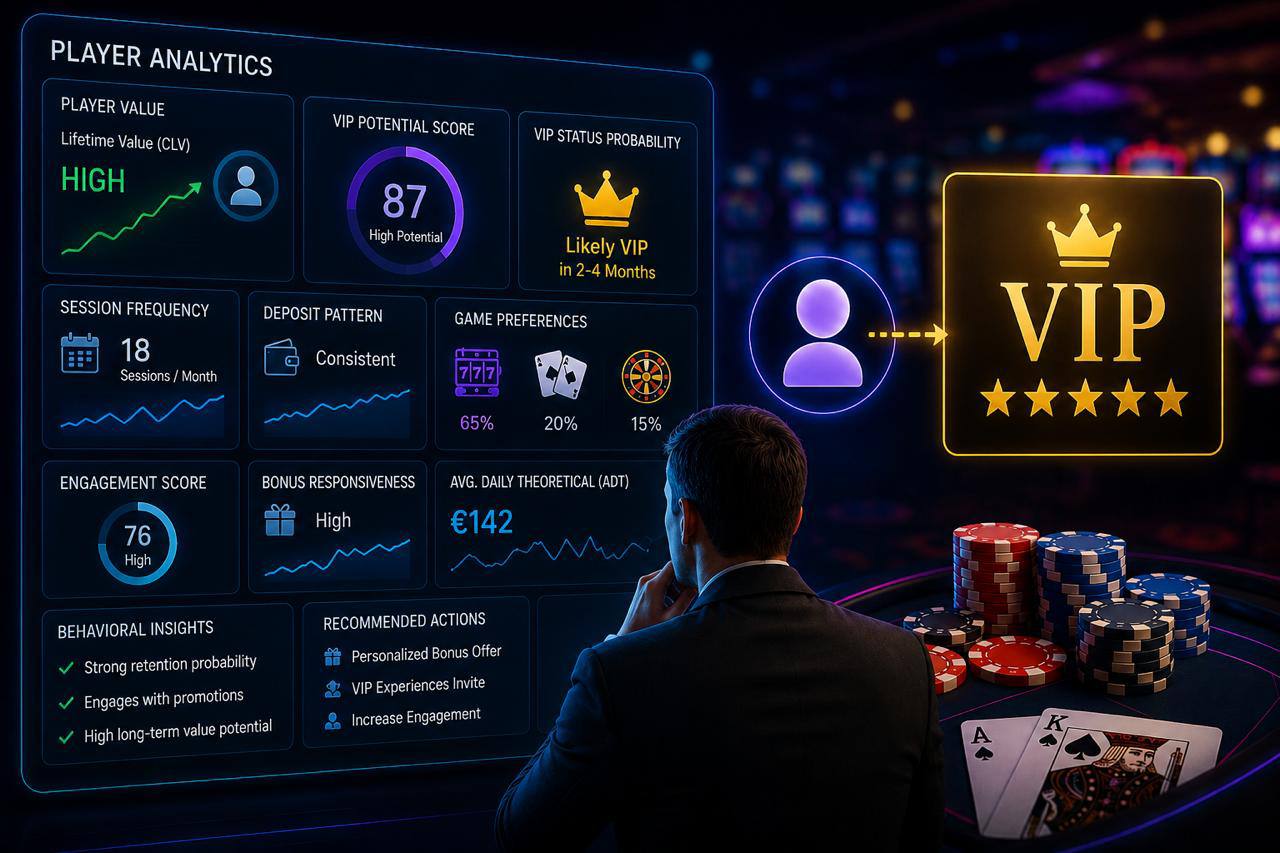
Most players assume that VIP status is determined by one thing: how much money they spend. While wagering volume certainly matters, modern casino tracking systems have become far more sophisticated. Today, casinos use behavioral analytics, loyalty data, and predictive models to identify valuable players long before they reach traditional VIP thresholds.
In many ways, becoming a VIP is no longer simply about spending more. It is about exhibiting the patterns that suggest long-term value to the operator.
What Is Casino Tracking?
Casino tracking refers to the collection and analysis of player activity across a gambling platform. Every deposit, wager, session length, game preference, and login can be recorded and analyzed. Data from games like Crazy Time may differ wildly from the likes of Dream Catcher or Mega Ball.
Online casinos have access to particularly detailed tracking data because every interaction occurs digitally. This allows operators to build comprehensive player profiles and identify trends that would be impossible to spot manually.
The purpose of tracking extends beyond marketing. Casinos use these insights to improve retention, personalize promotions, detect fraud, and support responsible gambling initiatives.
Why Lifetime Value Matters More Than Short-Term Spending
One of the most important concepts in casino analytics is Customer Lifetime Value (CLV). Rather than focusing on what a player spends today, casinos attempt to estimate how valuable that player may become over months or years. The lifetime value on non gamstop casinos tend to be even higher than regulated ones.
A player who deposits €50 every week for several years can be more valuable than someone who deposits €1,000 once and never returns.
This shift in thinking has transformed how casinos evaluate players. Modern tracking systems are designed to identify consistent engagement rather than isolated spending spikes.
The Behavioral Signals Casinos Monitor
Tracking platforms analyze hundreds of data points, but several behavioral indicators stand out when predicting future VIP potential.
Session Frequency
Players who return regularly are often viewed as more valuable than those who gamble heavily during a single session.
Consistent activity demonstrates loyalty and provides casinos with a stronger foundation for long-term revenue forecasting.
Game Preferences
Different games generate different levels of theoretical revenue for casinos.
Tracking systems monitor which games players choose, how often they switch between titles, and whether they prefer slots, live casino games, or table games. These preferences help casinos estimate future value and tailor promotions accordingly.
Deposit Patterns
The size of deposits is important, but so is consistency.
Many tracking models place significant weight on predictable deposit behavior. Players who fund their accounts regularly often demonstrate stronger retention rates than players who make sporadic large deposits.
Engagement Beyond Gambling
Modern casinos also track non-wagering behavior.
Opening promotional emails, participating in tournaments, claiming bonuses, and interacting with loyalty programs can all contribute to a player's profile. These actions indicate engagement and may signal future loyalty.
Predictive Analytics and VIP Forecasting
The most advanced operators now use predictive analytics to estimate which players are likely to become VIP members.
These systems compare current player behavior against historical data from thousands or even millions of accounts. If a new player displays patterns similar to previous high-value customers, the casino may begin offering enhanced promotions before that player officially qualifies for VIP status.
This creates a proactive approach to player retention rather than a reactive one.
Instead of rewarding loyalty after it happens, casinos attempt to encourage it while it is developing.
Average Daily Theoretical: The Metric Players Rarely See
Behind many loyalty programs sits a metric known as Average Daily Theoretical (ADT).
ADT estimates how much theoretical revenue a player generates for the casino during a typical gaming day. Rather than focusing solely on actual wins or losses, it considers factors such as average wager size, game house edge, and time spent playing.
Two players can lose exactly the same amount of money and still receive very different VIP treatment because their theoretical value differs.
This is one reason why some players are surprised by the rewards they receive—or do not receive—from loyalty programs.
How Tracking Supports Personalized Rewards
Casino bonuses are becoming increasingly personalized.
Instead of sending identical offers to every customer, operators use tracking data to create tailored promotions based on individual preferences and behaviors.
A player who regularly enjoys live blackjack may receive tournament invitations, while a slot enthusiast might receive free spins on specific game categories.
This level of personalization benefits both parties. Players receive offers that better match their interests, while casinos improve engagement rates and promotional efficiency.
The Role of Responsible Gambling
Tracking systems are not used exclusively for marketing.
Many regulators now expect operators to use player data to identify potential indicators of gambling-related harm. Certain behavioral patterns, such as unusually frequent deposits, rapidly increasing spending, or extended gambling sessions, can trigger intervention protocols.
As tracking technology evolves, its role in responsible gambling is likely to become even more important.
This represents a significant shift from traditional monitoring methods, allowing operators to detect potential risks using objective behavioral data rather than relying solely on self-reported concerns.
What Casino Tracking Could Look Like in the Future
Artificial intelligence is expected to play an increasingly important role in player analytics.
Future tracking systems may be capable of identifying subtle behavioral changes in real time, allowing casinos to personalize experiences more accurately than ever before.
Gamified loyalty programs, dynamic reward structures, and predictive VIP models are already becoming more common across the industry. As these technologies mature, the gap between traditional loyalty programs and data-driven engagement strategies will continue to widen.
Final Thoughts
Casino tracking has evolved far beyond simple loyalty cards and points systems. Today, sophisticated analytics platforms evaluate player behavior, estimate long-term value, and predict future VIP potential using vast amounts of data.
For players, this means rewards and promotions are becoming increasingly personalized. For casinos, it means making smarter decisions about retention, loyalty, and responsible gambling.
The next generation of VIP programs may not be built around how much you spend today—but around what your behavior suggests you will do tomorrow.


Sep 21 - 2 min read
Step Right Up: Striker Is Now Live on Roobet
Remember the carnival game where you swing a hammer and try to ring the bell? Striker takes that idea and turns it into a fast, Plinko-style multiplier ride.

Aug 14 - 6 min read
Stake Monthly Subscription Bonus Explained: Check Your Inbox, Complete the Mission, Grab the Reward
The word “subscription” usually means another monthly payment quietly nibbling away at your bank balance. Thankfully, that’s not what’s happening here.

Aug 14 - 3 min read
Win a Lamborghini Urus in Celsius Casino’s Grand Lottery
Forget free spins and bonus cash for a moment - Celsius Casino has gone full throttle with its latest promotion. This summer, one lucky player could walk away with the ultimate head-turner: a Lamborghini Urus.